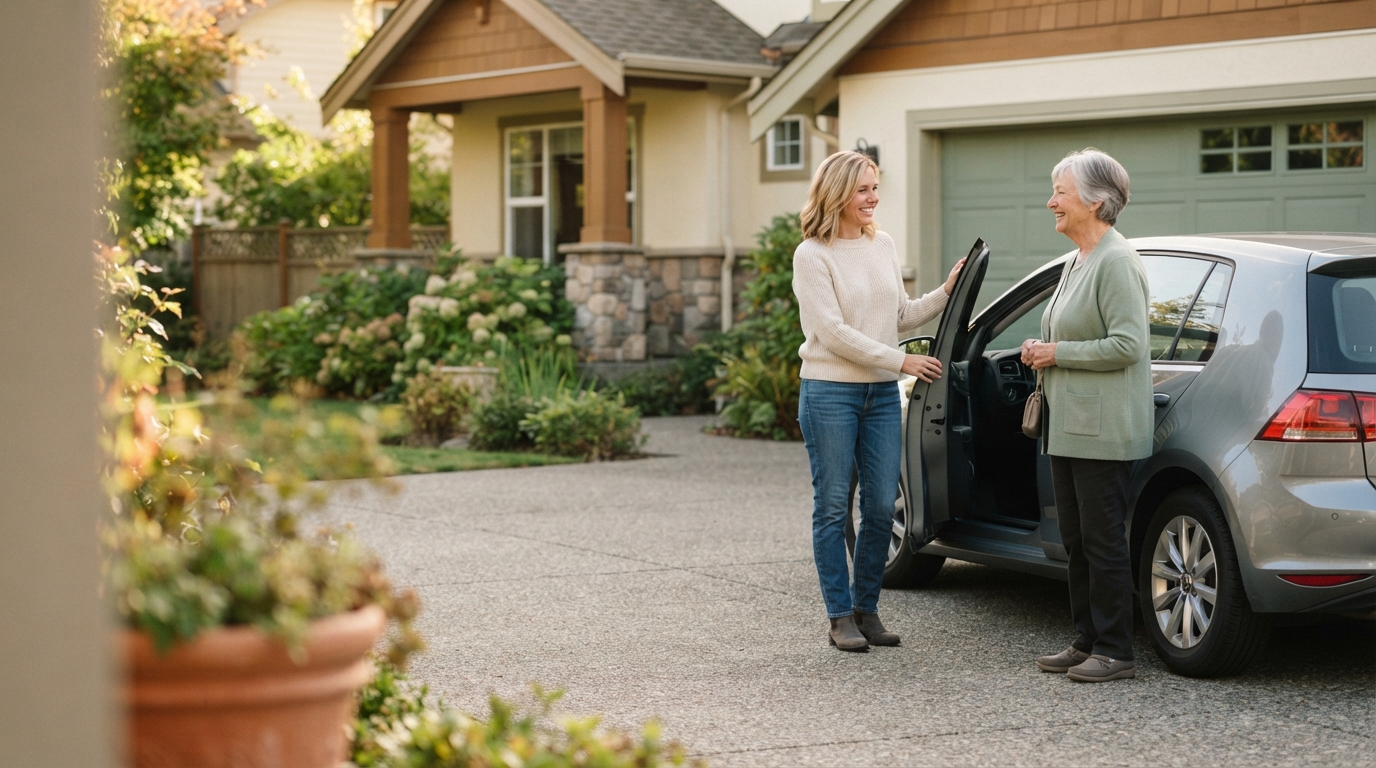

Keep the driving safe, then plan for the day it stops
Four things that make the most difference, in the order families usually do them.
Start with eyes, ears and medication
An eye test, a hearing check and a review of anything sedating can change driving more than a new car. Book those before anyone decides anything about the keys.
Shrink the driving before you stop it
Daylight only, familiar roads, no motorways at rush hour, and someone else driving after dark. Trimming the risk keeps most people driving longer than a flat stop does.
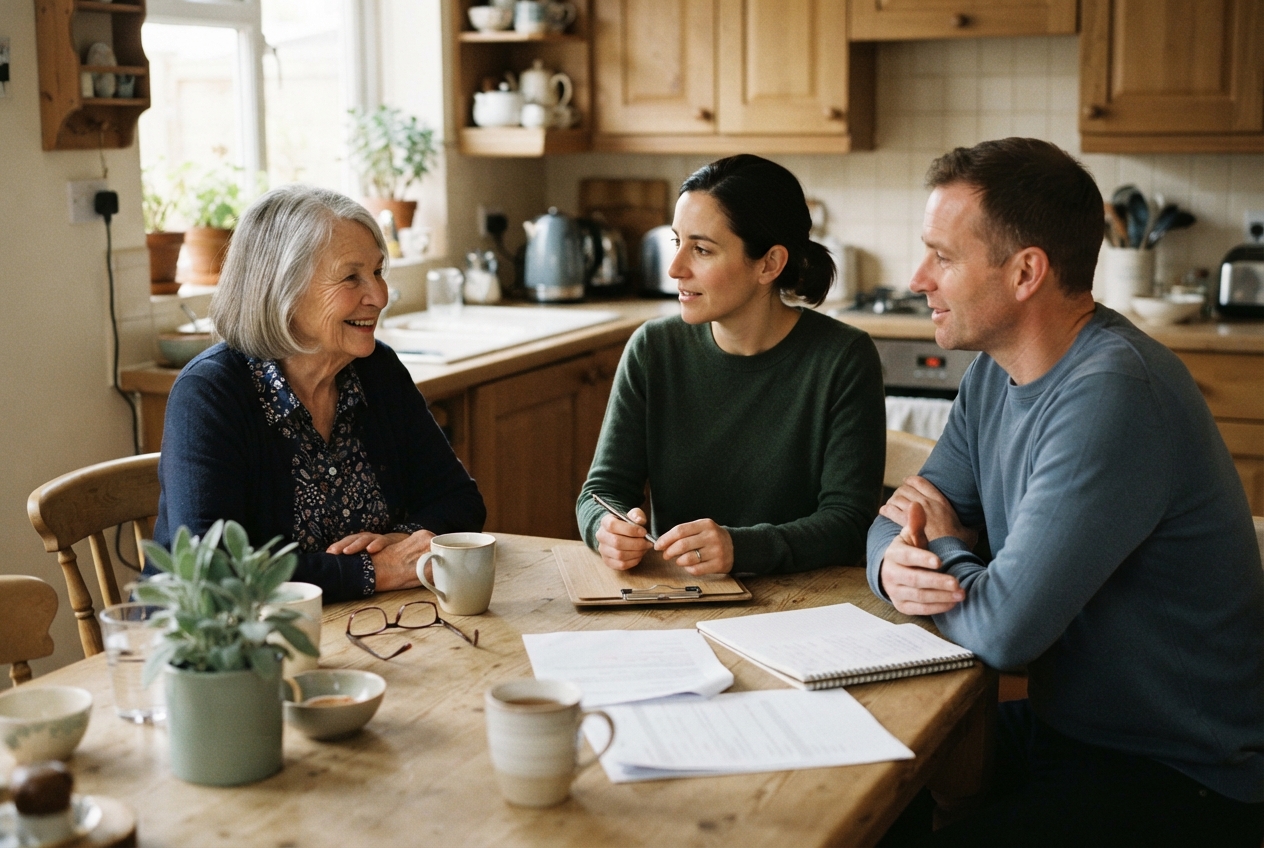
Get a professional assessment
An occupational therapist or a driving assessment centre can test vision, reaction time and on-road skill, then recommend a refresher lesson or adapted controls rather than a stop.
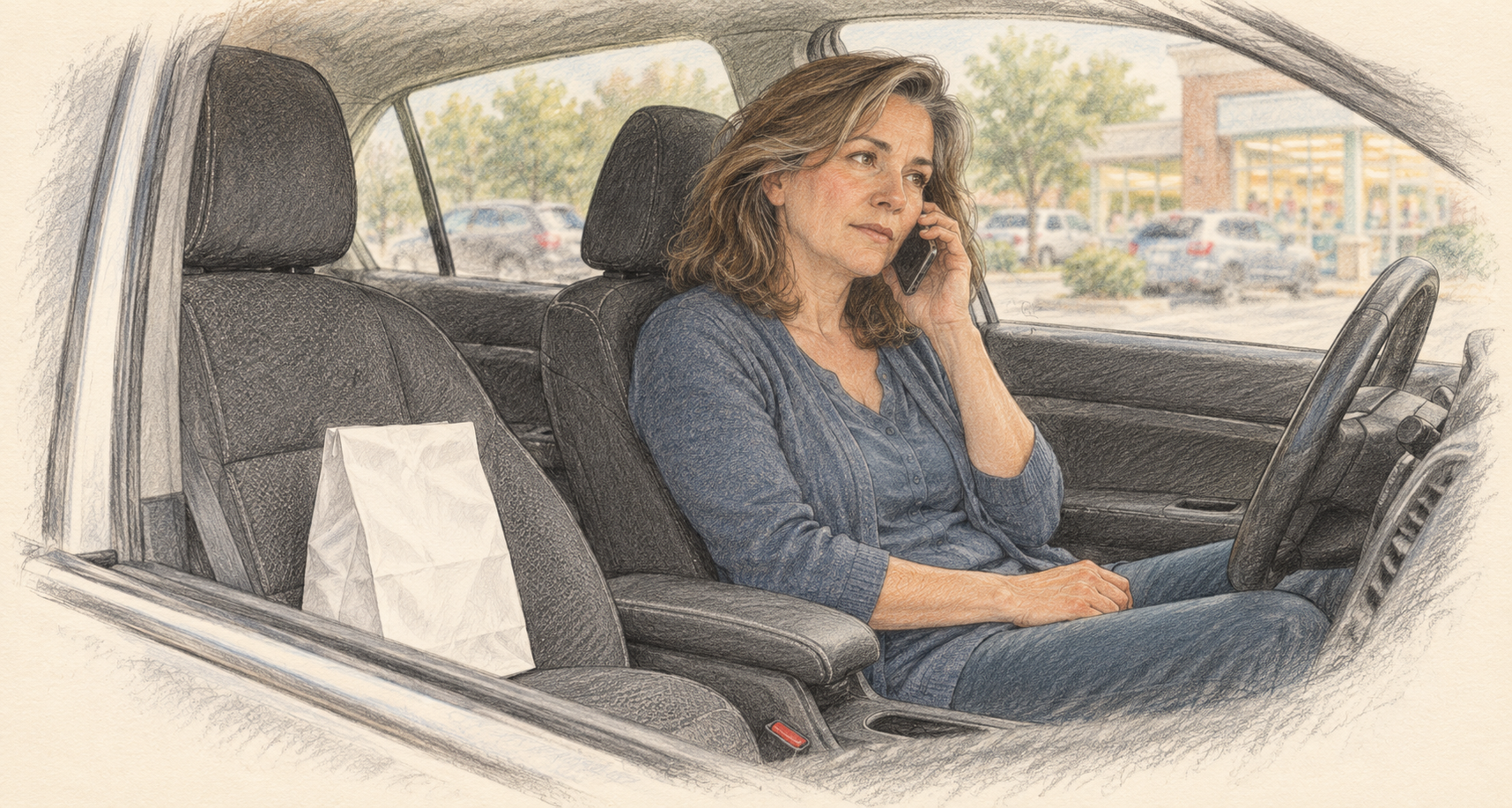
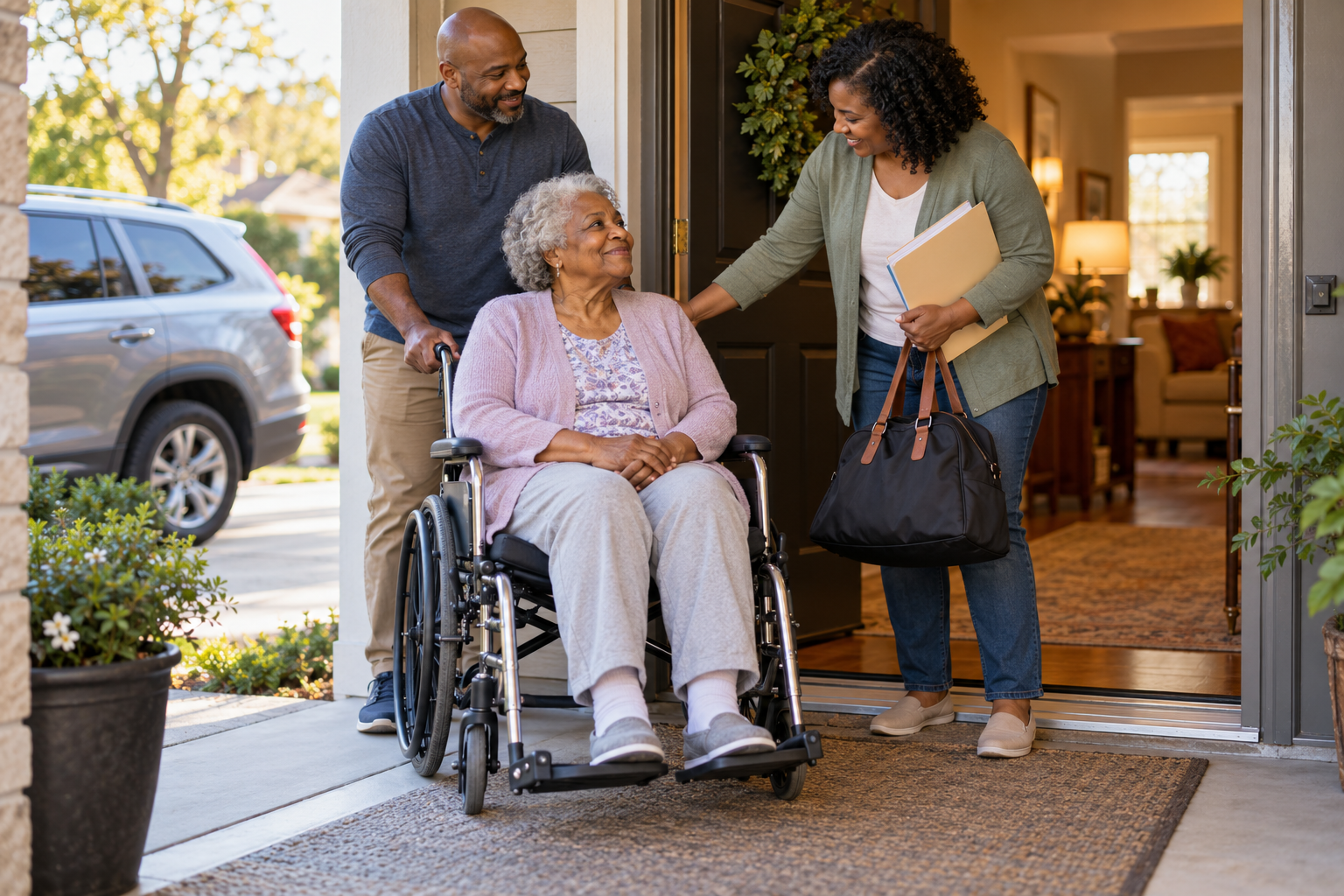
Build the alternatives early
Try the bus, the senior shuttle, the ride service and the family rota while the car is still in the driveway, so the first day without it feels familiar rather than sudden.
'/%3E%3Cg transform='translate(100 100) scale(1)' fill='none'%3E%3Cpath d='M12.7998 6H87.2002C89.4486 6 91.1052 6.00048 92.4141 6.10742C93.7169 6.2139 94.6319 6.42335 95.4053 6.81738C96.8163 7.5364 97.9636 8.68371 98.6826 10.0947C99.0767 10.8681 99.2861 11.7831 99.3926 13.0859C99.4995 14.3948 99.5 16.0514 99.5 18.2998V82.0889C99.5 84.3373 99.4995 85.9938 99.3926 87.3027C99.2861 88.6057 99.0767 89.5206 98.6826 90.2939C97.9636 91.705 96.8163 92.8522 95.4053 93.5713C94.6319 93.9653 93.7169 94.1748 92.4141 94.2812C91.1052 94.3882 89.4486 94.3887 87.2002 94.3887H12.7998C10.5514 94.3887 8.89483 94.3882 7.58594 94.2812C6.28306 94.1748 5.36806 93.9653 4.59473 93.5713C3.18369 92.8522 2.03638 91.705 1.31738 90.2939C0.923328 89.5206 0.713894 88.6057 0.607422 87.3027C0.500478 85.9938 0.5 84.3373 0.5 82.0889V18.2998C0.5 16.0514 0.500481 14.3948 0.607422 13.0859C0.713899 11.7831 0.923349 10.8681 1.31738 10.0947C2.0364 8.68371 3.18371 7.5364 4.59473 6.81738C5.36806 6.42335 6.28305 6.2139 7.58594 6.10742C8.89483 6.00048 10.5514 6 12.7998 6Z' stroke='%239C4A31'/%3E%3Cpath fill='%239C4A31' d='M10 53.4151V81C10 83.2091 11.7909 85 14 85H87L35.4043 33.7962C33.8447 32.2485 31.3286 32.2485 29.769 33.7962L10 53.4151Z'/%3E%3Ccircle cx='83' cy='26' r='10' fill='%239C4A31'/%3E%3C/g%3E%3C/svg%3E)